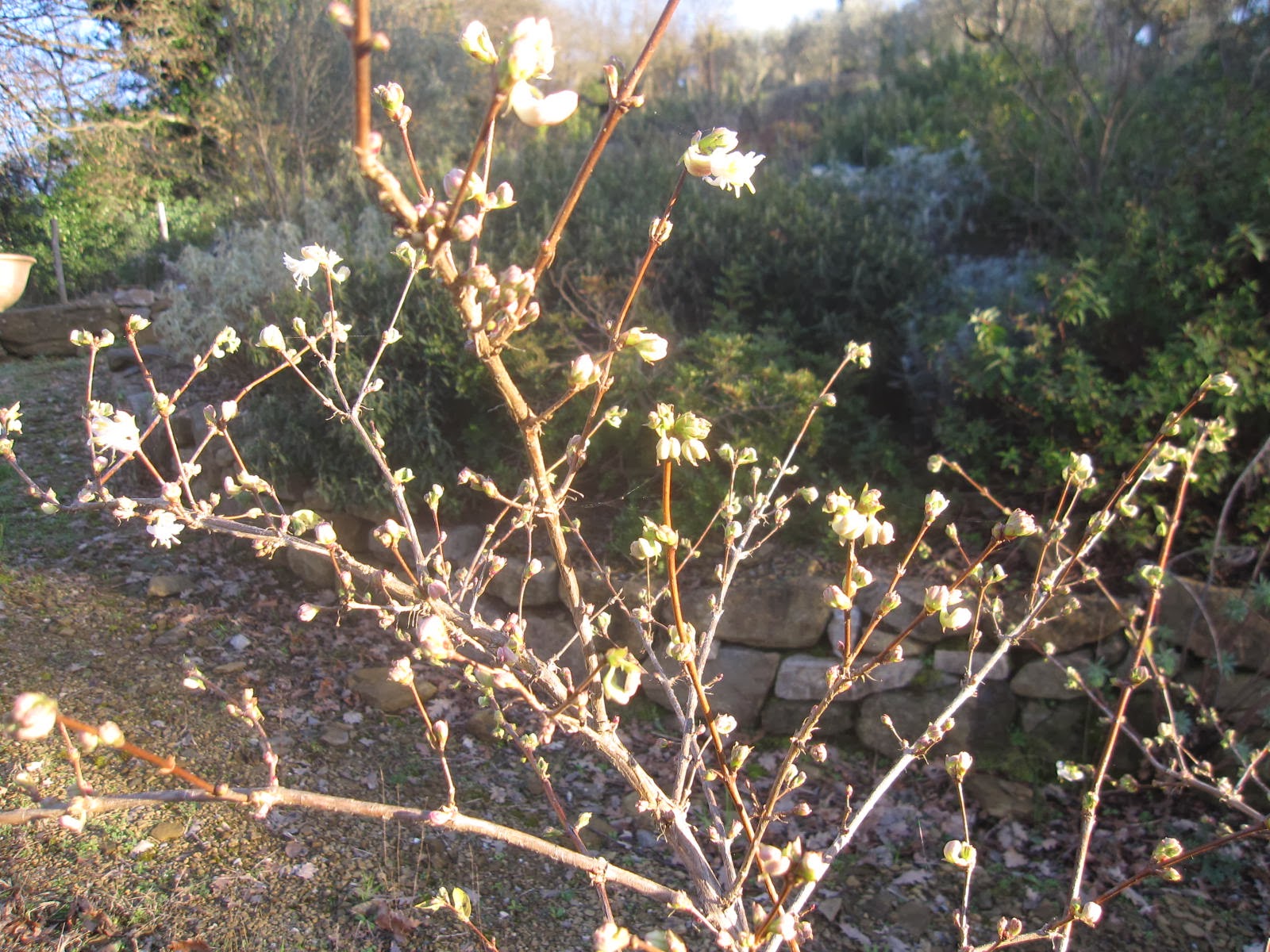
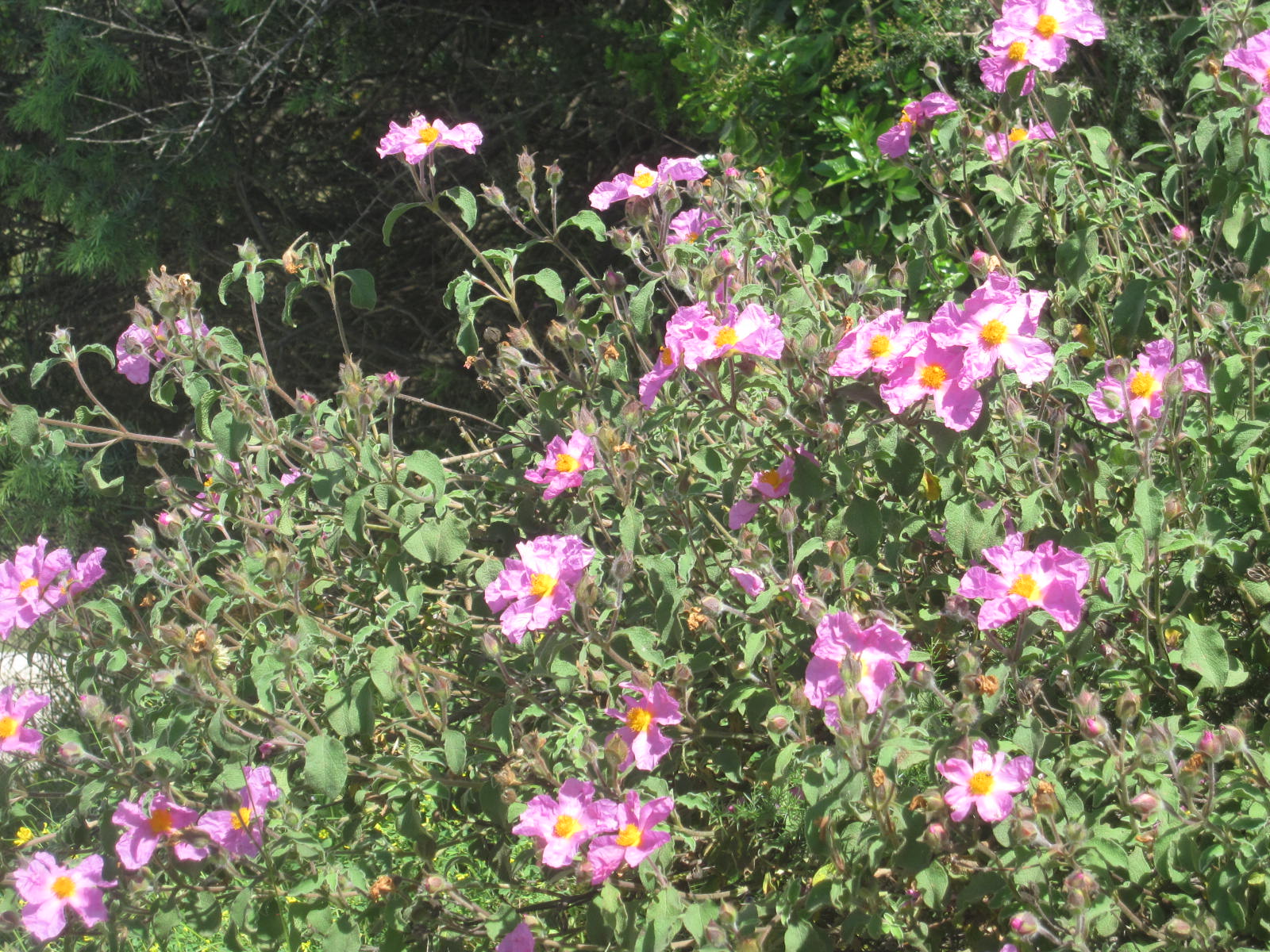
On a recent visit with the Med Garden Soc to a very nice garden near Trevi, I asked the owner/gardener what the rose was (photo). The reply was rapid and firm: it is Eglantine (David Austin) and it's going to be dug out and replaced by one of the Noisettes. No nonsense there. She is of course quite and there were several (dead) specimens of the same rose all around the garden. To survive in this climate takes a particularly tough type of rose and certainly Noisettes are in with a chance as well as the Chinas. So it was rather pleasing to discover on my visit to the Perth Botanical Gardens (see previous post) a book in their visitor centre dedicated to Tea Roses for warmer climates http://www.amazon.co.uk/Tea-Roses-Old-Warm-Gardens/dp/187705867X/ref=sr_1_1?ie=UTF8&qid=1258478720&sr=1-1-fkmr0. In my view if they grow well in Australia then it is worth considering for Italy. In fact if you take a look at the Peter Beales' catalogue the Tea rose section has many roses marked as 'suitable for a warm climate'. This is not the same as modern hybrid teas - about which I am a bit snooty but there you are. Good examples of Teas which do well here include Lady Hillingdon, Gloire de Dijon but I am particularly drawn to the fabulously named Baronne Henriette de Snoy which I can't wait to try.
Y


Well I suppose we all think that our problems with predators in our gardens are worse than anyone else's but how about this: a fellow Garden Bloggers' Bloom Day blogger in Alaska has moose in her veg plot. I will copy here part of her post because I could not have made this up: